

01
Tree growing & care
Support planting efforts that consider suitable species, local conditions, and ongoing care.
Youth4Green Ghana Foundation works with communities to grow environmental awareness, support tree-growing efforts, and protect the natural systems that sustain life. Lasting change starts with local knowledge and care that continues after planting day.
Our work connects environmental education with hands-on action, local initiative, and practical follow-through. The goal is not simply to organize activities, but to support care that can continue over time.
Support planting efforts that consider suitable species, local conditions, and ongoing care.

Listen to communities and help turn local priorities into practical environmental action.

Make ecosystem knowledge accessible through conversation, education, and participation.

Connect environmental stewardship with healthy places and stronger local relationships.
Environmental action is more than a photo opportunity. A planting activity can begin a meaningful process, but success depends on what follows: suitable species, healthy seedlings, protection from damage, watering when needed, and people who know how to care for the site.
We believe project design should connect community priorities with clear responsibilities. By sharing information and encouraging follow-up, we can help make environmental work more grounded, transparent, and useful.
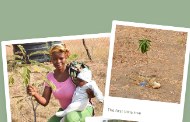
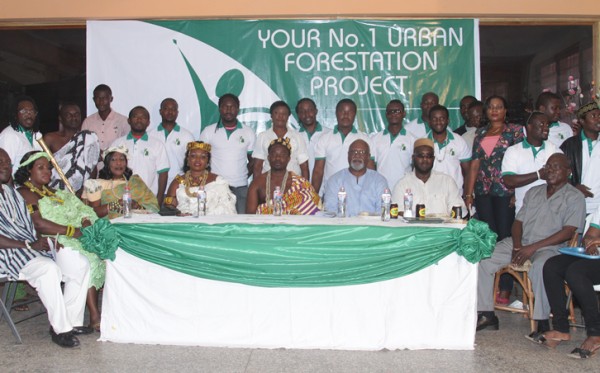

Youth4Green Ghana is a non-governmental organization committed to environmental stewardship and the idea that people can give back to the Earth through informed, sustained action. We want environmental responsibility to be part of everyday community life, not an occasional campaign.
Our work is guided by care for people, plants, animals, and the natural systems on which life depends. We value local voices, practical education, and partnerships that help communities take part in decisions affecting their environment.
Environmental pressures vary by place. Soil, rainfall, land use, access to water, and the priorities of local residents all influence what kind of work is appropriate. We aim to approach projects with respect for these differences and avoid assuming that one solution fits every community.
Our public information identifies our base in the Greater Accra Region of Ghana. For details about current projects, community partners, or activities in a particular location, contact the foundation directly.
Talk with our team ↗
Meaningful environmental work starts by listening and agreeing on practical next steps.

Behind every environmental initiative are people with knowledge, hopes, and responsibilities. The most useful stories show not only what happened on an activity day, but also what the community learned, what care is needed next, and what would make future work stronger.
We are building a culture of honest communication around environmental work: celebrating participation while recognising that durable results take time, resources, and follow-through.
Read the journal ↗A visual look at environmental activities, community gatherings, and the work of building a culture of care.


Ask about volunteering, partnerships, or ways to support community-centred environmental action.
environmental stewardship begins with a simple principle: environmental progress lasts when ecological priorities and local experience are considered together. In Ghana, landscapes are shaped by rainfall, soil, livelihoods, access to resources, and the decisions people make every day. Effective work must understand these relationships rather than treating a tree, a field, or a community as an isolated problem.
For community members, young people, educators, and partners, meaningful participation should be practical and respectful. People who live closest to a landscape often hold important knowledge about seasonal changes, land use, water, local species, and the pressures that affect their surroundings. Listening carefully helps initiatives fit local realities and makes it more likely that people will continue caring for the work after an event has ended.
Environmental projects are strongest when the purpose is clear before activities begin. Organizers need to consider what condition they hope to improve, what resources are available, who will maintain the work, and how progress can be assessed. Planting is only one step in restoration; species selection, timing, water access, protection, and follow-up care can be just as important.
Education is a central part of long-term stewardship. People can make more informed choices when they understand how soil, water, vegetation, wildlife, and human wellbeing connect. Useful environmental learning avoids fear alone: it gives people practical knowledge, explains trade-offs honestly, and offers realistic ways to participate at home, at school, at work, or in the wider community.
Local leadership deserves more than a brief appearance at the beginning of a project. Community members should have meaningful opportunities to shape priorities, identify risks, contribute knowledge, and review outcomes. When responsibilities are shared clearly, people can see how their effort matters and organizations can learn where their approach needs to change.